
LinkedIn Releases List of Top Companies to Work For
All employees want to work for the best companies, and all companies want to be regarded as a top company to work for.

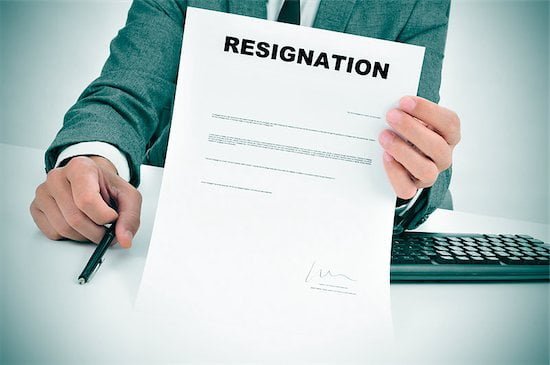
“So you’ve found the perfect candidate. You offer them the job and they accept! Everything is going swimmingly, recruiter life is good. But then in a couple of days…maybe a week or two, you get a phone call or email from that perfect candidate saying that they’ve decided to stay with their current company because they’ve been given an offer that they can’t refuse.”
While most of the attention in the recruiting industry is focused on finding and hiring top candidates, this is just one part of the equation. Many companies relax once they make a big acquisition – something that could be a big mistake.
With candidates more willing to make career changes and with so much change in the marketing industry, your organization needs to have a constant flow of talent to maintain flexibility, fill talent shortages, and achieve your performance targets consistently.
Hiring the wrong person for the job can have a big impact on your company. Whether they lack the necessary skills or are a poor culture fit for your company, a bad hire can cost your company in many ways
The need to better understand and attract millennials is only going to become more important to your company’s success as more and more baby boomers retire in the next decade.
If you have a group interview coming up, here are a number of tips to put the best foot forward and get a call back to the next round of interviews…
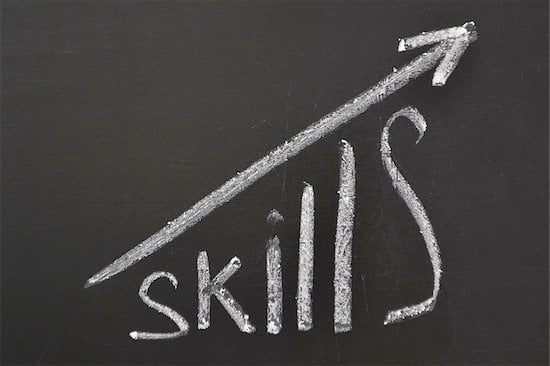
The skills employers seek are ever-evolving. While core skills such as effective communication, project management, people skills, and skills that are specific to your career specialization will always be a requirement, there is an ongoing change in other skills that companies want from job candidates.
Organizational culture is not something that is outlined in your mission and vision – rather, it is how things happen organically. The rules you create in the workplace have a huge impact on internal interactions and how your culture plays out day to day.